STAY CONNECTED
Subscribe to our Bi-weekly newsletter for updates, sermon notes, and upcoming events.
Unsubscribe at any time.
© 2026 The New Dimension Ministry. All rights reserved.
Subscribe to our Bi-weekly newsletter for updates, sermon notes, and upcoming events.
Unsubscribe at any time.
© 2026 The New Dimension Ministry. All rights reserved.

New episodes every Tuesday

As we close out 2025, we end the year with one of Jesus’ most confronting and compassionate stories—the parable of the Good Samaritan. A story that challenges prejudice, stretches our definition of love, and asks a timeless question: Who is my neighbour?In this special final episode of the year, I’m joined by the core team of The New Dimension Ministry as we reflect together on what it truly means to love beyond boundaries—beyond tribe, title, comfort, and convenience. Just like the Samaritan, this episode invites us to see people the way God sees them and to love in ways that cost us something.As we look back on the year and ahead to what God is building through The New Dimension, this conversation is both a reflection and a charge: to carry compassion into a broken world and to live out the Kingdom through practical, courageous love.Thank you for walking this journey with us in 2025. This episode is our reminder—and our prayer—that love across lines is still the loudest message we can preach.
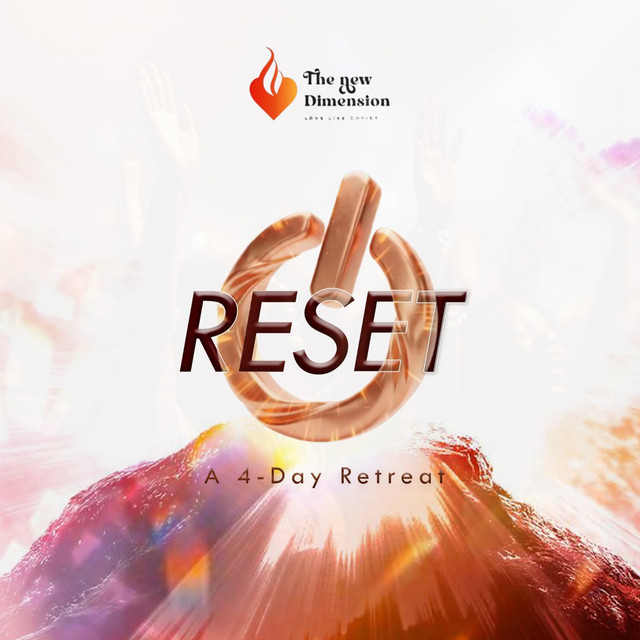
Day Two of the Reset Retreat delivers a sobering yet necessary message about what happens after God intervenes. This session centers on the life of King Hezekiah, drawing from 2 Kings 18–20, and reveals that a reset is not the end of the journey—it is a responsibility.The teaching begins with Hezekiah’s extraordinary faithfulness and trust in God, even in the face of overwhelming opposition from the Assyrian empire. As the Assyrian officials mocked, threatened, and attempted to intimidate God’s people, Hezekiah responded not with fear, but with humility. He tore his clothes, went to the temple, and laid the problem before the Lord. In response, God moved decisively—sending an angel who wiped out 185,000 Assyrian soldiers in a single night, forcing King Sennacherib into disgrace and defeat.This moment of victory establishes a powerful truth: God is never late, and He never mismanages our lives. Even when situations feel delayed or out of control, God is always working according to His greater plan—just as He did with Lazarus.However, the teaching takes a crucial turn in 2 Kings 20, when Hezekiah faces death and receives yet another reset. God heals him, grants him fifteen additional years, and restores his life. Yet, instead of pressing deeper into God, Hezekiah becomes complacent. He exposes his treasures and defenses to Babylonian envoys—an act that reveals pride, poor discernment, and spiritual laxity. The consequence is severe: future captivity, loss, and generational damage.This session delivers a strong warning—a reset is not permission to relax. Divine intervention demands sustained obedience, vigilance, and humility. Victory seasons are often the most dangerous because they tempt us to lower our guard.The message concludes with a defining reminder: how you finish matters more than how you start. Every reset must be stewarded carefully, with continued dependence on God. The call is clear—after God rescues, heals, or restores you, do not retreat into comfort. Press deeper. Guard your heart. Finish well.
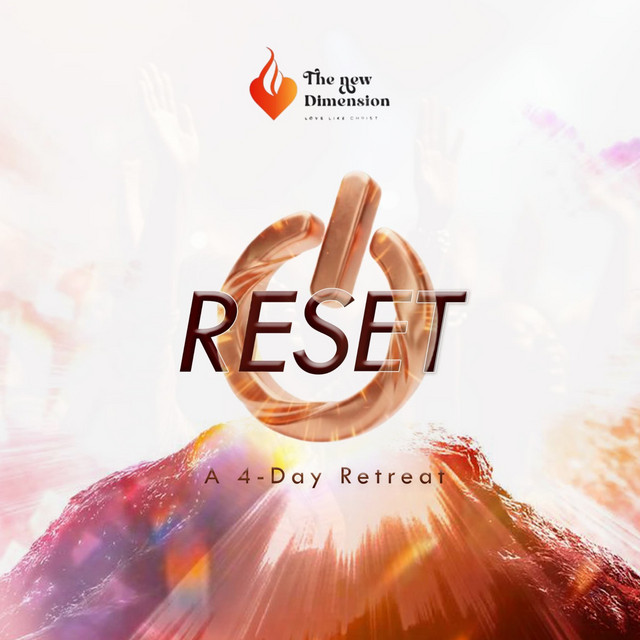
At the Recharge Conference 2025, themed RESET, we were invited into a powerful moment of spiritual realignment, restoration, and new beginnings. This session opens with heartfelt thanksgiving and a prayerful atmosphere, setting the tone for a retreat where no one is meant to leave the same way they came.Drawing from Jeremiah 1:10, the teaching unpacks God’s divine pattern of demolishing before rebuilding—uprooting, tearing down, and dismantling what no longer serves His purpose so that something new can be planted and built. A reset, the speaker explains, is not punishment but mercy: God’s invitation to start again, correctly.Using everyday metaphors like Google Maps rerouting and a phone factory reset, this message reveals how God often takes us back to our last place of obedience—the point before fear, misalignment, compromise, or old habits crept in. Just as a factory reset clears viruses, fixes problems, and restores original settings, a spiritual reset requires the clearing of old mindsets, beliefs, habits, and patterns that can no longer contain the “new wine” God wants to pour.Through biblical examples such as Noah and the children of Israel, the session shows that God sometimes allows a complete reset to preserve His greater redemptive plan. Delays, setbacks, and difficult seasons may not be failures but part of a divine reset process working for our good.This teaching also brings the reset home with practical, honest reflections—highlighting the importance of asking “Why?” to uncover the roots of repeated struggles, and the courage required to unlearn old habits in order to form healthier, God-honouring ones.Finally, the message addresses key hindrances to reset—selfishness, mediocrity, ingratitude, and fear—and calls listeners to open their hearts fully to the Holy Spirit’s work. True reset happens when we allow God to empty us, reshape us, and rebuild us on a stronger foundation.As the session closes in worship with “Have My Heart,” listeners are invited into a moment of prayer and reflection, asking one defining question:“Lord, what does reset look like for me?”
We can say the right words, pray the right prayers, and even look the part—yet still miss the heart of God. In three powerful parables, Jesus exposes a truth we often overlook: what’s inside always shows up eventually.One son talks obedience but never follows through. Another humbles himself while the religious boast. A tree is known not by its appearance, but by its fruit. Together, these stories reveal that God isn’t moved by performance—He looks at posture, humility, and the condition of the heart.In this episode, we examine how our actions, attitudes, and outcomes tell a story about what we truly believe. It’s an invitation to move beyond appearances and allow God to transform us from the inside out—because the heart always tells a story.